

Training Load | Endurance
Life begins and ends at the cellular level.
Lifestyles are determined by habit. The most insidious aspect of habit is its ability to dull awareness. This is when the mayhem begins…
Measuring training load is crucial in endurance sports to optimize performance, prevent injury, and ensure effective adaptation to training by understanding both external workload – what the athlete does – and the internal load – how the athlete responds to exertion.
Find below some reasons why measuring training load is important:
Optimizing Training and Performance:
→ Progressive Overload:
Ensures that athletes are progressively increasing the demands on their bodies in a safe and effective manner to optimize performance;
→ Individualization:
Understanding an athlete’s responses to training load allows personalized training plans that pinpoint specific needs and desired outcomes.
→ Identifying Training Gaps:
Coaches and athletes can identify areas where training gaps or overtraining occurs to modify training programs;
→ Performance Prediction:
Training load data can be used to predict an athlete’s performance potential and to track progress toward specific goals
Injury Prevention:
→ Fatigability:
Monitoring training load helps identify and manage fatigue – a critical risk factor for injury in endurance sports;
→ Prevention:
Athletes and coaches can identify and prevent overtraining, which often leads to sub-par performance, injury, and illness;
→ Intervention:
Monitoring training load can highlight athletes at risk of injury allowing for early interventions to prevent or mitigate the risk;
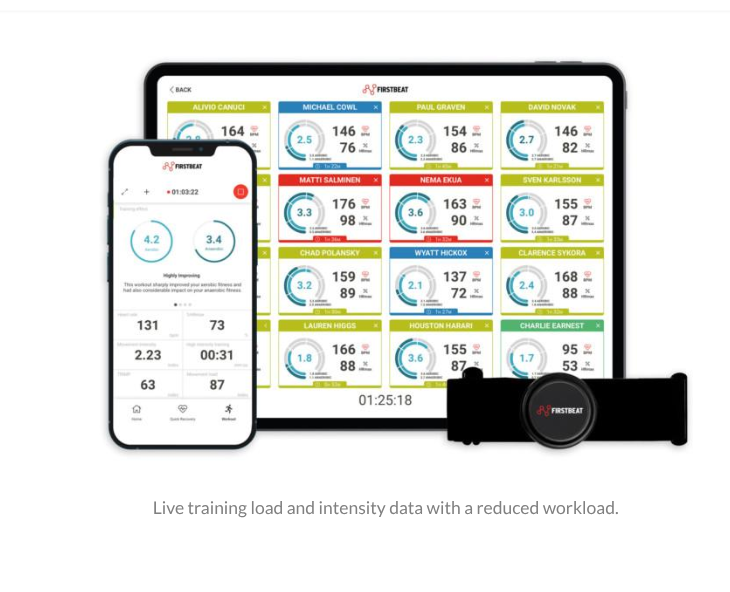
Measuring Training Load:
→ External Load:
This refers to the objective demands of the training session, such as distance, speed, duration, and intensity;
→ Internal Load:
This refers to the physiological and psychological responses to the training session – heart rate, perceived exertion, blood lactate levels, and more;
→ Tracking:
Various methods and devices measure training load – including heart rate monitors, GPS trackers, power meters, and rating of perceived exertion [RPE];
Training Load Metrics:
→ Training Stress Score (TSS):
A metric that combines intensity and duration to quantify training load.
→ Training Impulse [TRIMP]:
A method that combines workout duration and intensity [measured via heart rate] to calculate the physiological stress from exertion;
→ Foster Score:
A simple metric that combines the intensity and duration of a workout to estimate the total training load;
→ T2 Score:
A training load metric that combines intensity and duration in each zone respective to the sport modality.
Training load is a valuable tool for endurance athletes and coaches to optimize training, prevent injury, and optimize performance.
Understanding both the external demands of training and the internal responses to those demands assist coaches and athletes about training plans and interventions.
Growth has no endpoint…
We have the technology to eliminate guesswork, decode superhuman, and propel your limitless potential. Challenge yourself today to boldly manifest the keys to your mansion of unparalleled health, performance, and longevity.
A limitless life is a choice…
Find more information at Performance Medicine™.
Schedule a FREE CONSULTATION via the blue widget, our contact form, or 401.207.4215.