
Epigenetic Aging | Inflammation
Life begins and ends at the cellular level.
Inflammation has a profound impact on your health, performance, and longevity.
There are two types of inflammation:
Acute inflammation is a short-term biological response to harmful stimuli. Examples include sprained ankles, minor cuts, burns, and related injuries, infection, or irritations. Your immune system sends white blood cells to repair the damaged tissue.
Chronic inflammation is a prolonged, harmful immune response where the body remains in a state of high alert for months or years, damaging healthy tissues, organs, and DNA. Researchers have linked chronic inflammation to a wide range of conditions termed inflammatory diseases.
The issue is that your body continues to send inflammatory cells even when there is no danger. Chronic inflammation increases with age and causes a vicious cycle of cellular damage, accelerating tissue degeneration and immune system dysfunction.
The havoc of prolonged chronic inflammation can become systemic.

The impact of inflammation on biological aging; accelerated biological aging is associated with methylation patterns (DNAm) at various DNA locations.
Aging incites epigenetic changes that propel inflammation. The increase in baseline biomarkers is correlated with cognitive decline.
Cognitive processes that are thwarted by inflammation include memory, information processing speed, sensory processing, and neurofunction. Chronic inflammation is linked to dementia and neurodegenerative diseases.
Inflammation caused by epigenetic changes typically decreases the global genome methylation with a profound impact on CD4 and CD8 T cells.
DNAm pinpoints how epigenetic mechanisms play a predominant role in chronic inflammation imbalances. Epigenetic mechanisms have been linked to the accumulation of cellular damage that can induce prolonged inflammatory responses.
Chronic and elevated levels of inflammation are another story. The markers help the progression of age-related diseases. Inflammaging is a strong risk factor for multiple diseases and fragility among elderly persons.
It accelerates the aging process by causing tissue damage, promoting cellular senescence, mitochondrial dysfunction, and increasing susceptibility to neurodegenerative and cardiovascular disease, autoimmune disorders, cancer, and more.
Epigenetics plays a crucial role in regulating the inflammatory response. Epigenetics and inflammation are integrated. Epigenetic modifications (DNA methylation, histone modifications, non-coding RNAs) bridge environmental factors with the activation of inflammatory genes.
The liver produces C-reactive proteins (CRP) in response to acute inflammation. CRP measurements are critical indicators of inflammation related to epigenetic aging and various health conditions.
The DNAm CRP produced by the liver is inversely related to cognitive functions. Elevated CRP levels are consistently associated with verbal fluency and memory aptitude.
DNAm has emerged as the gold standard for measuring CRP levels. Its epigenetic precision eclipses traditional quantification protocols. DNAm significantly thrusts in-depth vital brain health metrics compared to traditional serum measurements.
Implementing an integrated MultiOmics approach enhances the chronic inflammation data as peripheral biomarkers in life and sport.
Endurance sports training induces a temporary rise in CRP as an acute response to muscle damage. Consistent endurance training lowers resting CRP levels, reflecting an anti-inflammatory effect.
This is linked to improved cardiovascular health and better management of exercise-induced muscle inflammation.
High-sensitivity CRP (hs-CRP) tracks recovery; consistently high resting levels indicate overtraining, insufficient recovery, or systemic stress. Chronically elevated CRP levels are associated with high-intensity training, poor recovery, and higher cardiovascular strain.

Causes of Increased Inflammation with Age:
→ Senescence Cell Accumulation;
→ Mitochondrial Dysfunction;
→ Diminished Autophagy;
→ Accelerated Biological Age;
→ Age-Related Diseases
Endurance sports training elicits a profound inflammatory response, characterized by significant increases in interleukin-6 (IL-6) and C-reactive protein (CRP). Endurance sports training redefines the level of inflammatory response to the stress of exertion.
Regular physical activity can support long-term health by reducing inflammatory markers such as C-reactive protein (CRP) levels. CRP chaos is unleashed on biological aging, immune function, and inflammation when one crosses the training/overtraining line.
C-reactive protein (CRP) acts as a marker of systemic inflammation that directly impacts endurance performance by signaling training stress and recovery status.
While strenuous endurance exercise causes temporary spikes in CRP, regular training lowers chronic resting CRP levels, reducing inflammation-driven fatigue and enhancing adaptation.
Inflammation | Endurance Sports Performance
Inflammation is a double-edged sword for endurance athletes. Inflammation directly influences how an endurance athlete’s body responds to training stress.
→ Acute inflammation is requisite for training adaptations and recovery;
→ Chronic inflammation imparts performance degradation and accelerated biological aging
CRP | Endurance Performance:
→ Acute Exercise Response;
→ Chronic Training Adaptation;
→ Recovery Monitoring;
→ Performance Fatigue
→ Impedes Recovery:
→ Compromise Oxygen Delivery:
→ Mental Performance;
→ Cellular Senescence;
→ Mitochondrial Dysfunction;
→ Heart & Vessels;
→ Brain Function;
→ Immune System | Immunosenescence
Links to Studies:
→ Endurance and resistance training lowers C-reactive protein (PMC)
→ Effects of physical activity on serum CRP (JACC)
→ hs-CRP Importance for Athletes (SportsBloodTests)
→ CRP and Training Adaptation

CRP is a critical biomarker for monitoring the balance among complementary, uncomplementary, and productive stress incurred from overtraining in endurance sports.
Its impact is a dualistic response to an acute increase during intense effort and a long-term chronic decrease through gradual, consistent training.
Key Impacts on Performance
→ Indicator of Overtraining;
→ Injury and Illness Risk
→ Predictive Marker for Performance
Regular endurance sports performance significantly influences CRP levels, a key biological marker for systemic inflammation and aging.
Acute bouts of intense exercise cause a temporary spike in CRP; long-term training acts as a powerful anti-inflammatory intervention that can lower baseline levels and potentially slow biological aging.
The body’s inflammatory response to endurance exercise is biphasic, characterized by sharp short-term increases followed by long-term systemic decrease.
Biological aging is often marked by inflammaging—a chronic, low-grade systemic inflammation that increases with age even in the absence of disease.
Regular endurance training lowers systemic inflammation through several pathways. The effectiveness of reducing CRP may depend on the type of training.
Find some key CRP impacts on aging, inflammation, and reduction mechanisms:
→ Aging Marker;
→ Cardiovascular Disease,
→ Sarcopenia,
→ Frailty;
→ Cognitive Decline;
→ Life-long Exercise;
→ Gait Speed
→ Adipose Tissue Reduction;
→ Antioxidant Defenses;
→ Immune Regulation;
→ Cross Training
IL-6 | Endurance Performance
In response to prolonged exercise, IL-6 is synthesized by contracting skeletal muscle and released into circulation. Circulating IL-6 maintains energy status during exercise by acting as an energy sensor for contracting muscle and stimulating glucose production.
Exercise elevates the circulating IL-6, indicating that working skeletal muscle is the predominant source of IL-6. Astrocytes represent another source of IL-6 in scenarios such as brain injury, hypoxia, and inflammation.
IL-6 is a critical energy sensor and metabolic modulator during endurance sports. It is a pro-inflammatory marker of disease; it is a muscle-derived IL-6 during exertion that functions as a beneficial myokine orchestrating fuel mobilization and anti-inflammatory responses.
Key Impacts on Performance
→ Metabolic Fueling;
→ Anti-Inflammatory Signaling:
→ Glycogen Signaling;
→ Central Fatigue;
→ Resting Levels;
→ Overtraining Indicator;
→ Mitochondrial Efficiency;
→ Physiological Adaptation
Biological aging inevitably leads to a decline in endurance sports performance, primarily due to a reduction in the body’s maximal aerobic capacity.
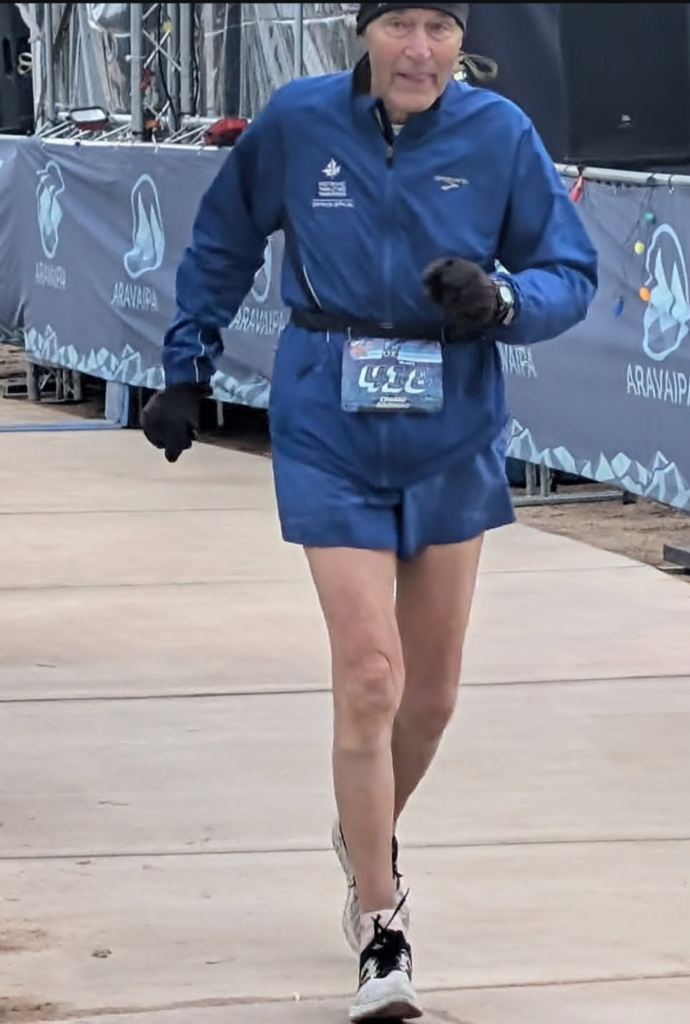
Lifelong endurance training creates profound physiological adaptations that can significantly delay these effects, allowing “Masters athletes” to maintain high performance levels well into their 60s and 70s.
Just ask 85-year-old ultra-endurance athlete extraordinaire, Ed “Fast Eddie” Rousseau.
Physiological Adaptations from Endurance Training
While elite endurance performance typically peaks before age 35, the rate of decline is initially modest. A more rapid, exponential reduction usually occurs after age 70.
Regular endurance training acts as a powerful anti-aging stimulus, inducing adaptations that preserve functional capacity:
→ Maximal Aerobic Capacity;
→ Cardiovascular Changes;
→ Skeletal Muscle;
→ Lactate Threshold;
→ Cellular Preservation;
→ Mitochondrial Efficiency;
→ Connective Tissue Health;
→ Cardiovascular Reserve;
→ Metabolic Efficiency;
→ Maintained Exercise Economy
Epigenetic testing can benefit ultra-endurance athletes by providing personalized insights into biological aging, disease risk, and recovery potential, enabling tailored training and nutrition plans.
By monitoring biological age and tracking improvements over time, athletes can optimize their lifestyle to enhance performance and resilience.
Inflammation is a prevalent issue among endurance athletes and can reduce the athlete’s long-term potential. Chronic inflammation ultimately impedes recovery, performance, and competitive level.
Epigenetic testing can impact endurance sports performance by identifying how environmental factors, such as training and nutrition, affect gene expression, enabling tailored strategies for athletes.
Coaches can analyze epigenetic markers to personalize training programs, optimize nutrition, and enhance recovery by understanding an athlete’s propensity to endurance capacity, physiological adaptations, recovery, and injury risk.
Find a few areas below:
→ Personalized Training;
→ Performance;
→ Enhanced Recovery;
→ Early Disease Risk Detection;
→ Tracking Progress;
→ Motivation and Accountability;
→ System-Specific Aging;
→ Optimum Wellness;
→ Recovery Optimization;
→ Longevity;
→ Brain Function;
→ Microbiome;
→ Metabolic Efficiency;
→ Nutrition Periodization

Epigenetic Performance Testing
Epigenetic testing reveals how endurance sports physically transform the body by altering gene expression through DNA methylation, affecting metabolism, mitochondrial function, and inflammation to enhance performance.
Physiological adaptations include igniting fat-burning genes and optimizing cellular repair, creating a molecular “memory” in muscles that enhances future adaptations, a powerful tool for personalizing training and understanding health, performance, and longevity in life and sport.
Key benefits:
→ Physiological Adaptations;
→ Environmental Triggers;
→ Recovery and injury;
→ Key Nutrients;
→ Molecular Adaptations;
→ Mitochondrial Biogenesis;
→ Muscle Fiber Transition;
→ Inflammation Control;
→ Training Optimization;
→ Injury Prevention;
→ Lasting Impact;
→ Gene Expression Control;
→ Skeletal Muscle Remodeling;
→ Fiber Type Transition;
→ Metabolic Efficiency;
→ Anti-inflammatory Response;
→ Precision Training Optimization;
→ Monitor Training Adaptations;
→ Enhanced Metabolism;
→ Non-Coding RNA Alterations
Growth has no endpoint…
We have the technology to eliminate guesswork, decode superhuman, and propel your limitless potential. Challenge yourself today to boldly manifest the keys to your mansion of unique health, performance, and longevity.
The last thing you want is to be fit but unhealthy.
Learn more at Performance Medicine™.
A limitless life is a choice…
Schedule a FREE CONSULTATION via the widget, our contact form, or 401.207.4215.