
Biological Epigenetics
Life begins and ends at the cellular level.
Accelerated aging represents the predominant risk factor for chronic and degenerative diseases. Endurance athletes are not exempt from this cellular process.
Cellular aging requires an understanding of the biological processes that link aging with disease. There are nine molecular biomarkers of aging termed “The Hallmarks of Aging.”
→ Genomic Instability;
→ Telomere Attrition:
→ Cellular Senescence;
→ Altered Intercellular Communication;
→ Mitochondrial Dysfunction;
→ Loss of Proteostasis;
→ De-regulated Nutrient-Censing;
→ Stem Cell Exhaustion;
→ Epigenetic Alterations
Delving into each aging hallmark is beyond the scope of this content. The key is to understand that epigenetics is the interface between the environment and the human genome.
Your lifestyle choices determine the expression or suppression of genes, which impacts every facet of your life.
Biological age significantly dictates endurance potential by altering the “infrastructure” of performance: oxygen transport (blood), recovery capacity (HRV | Heart Rate Variability), and energy production (mitochondria).
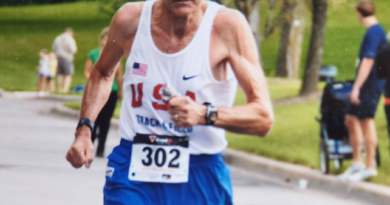
Chronological age is fixed; biological age is malleable. Endurance training can ignite these systems, making an older athlete biologically younger than a sedentary younger peer.
KEYS:
→ Red Blood Cells (RBC) Elasticity:
Younger biological systems produce more flexible RBCs that navigate small capillaries easily, optimizing oxygen delivery to muscles. As cells age, they lose this flexibility, hindering microcirculation.
→ Regeneration:
Endurance training stimulates RBC turnover, maintaining a “younger” population of high-performing cells even as chronological age increases.
→ Biomarkers:
Biological aging is reflected in declining hemoglobin levels and rising inflammatory proteins (e.g., fibrinogen), which can increase blood viscosity and cardiovascular strain.
→ The “Ultra” Paradox:
Intense ultra-endurance events can acutely accelerate RBC aging via mechanical and oxidative stress, whereas regular training typically confers long-term protective benefits.
HEART RATE VARIABILITY | HRV
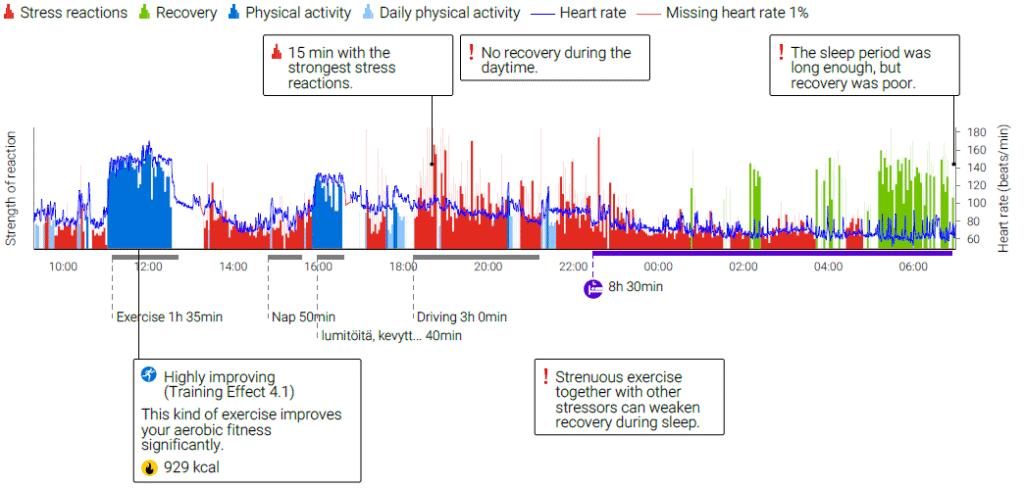
HRV is a primary metric for assessing biological age because it measures the health of the Autonomic Nervous System (ANS).
→ Resilience:
A high HRV indicates a “younger” biological state with a responsive ANS that can quickly pivot between stress (sympathetic) and recovery (parasympathetic).
→ Age-Related Decline:
Chronological age impacts HRV as the heart becomes less responsive to neural signals.
→ Endurance Impact:
Athletes with a younger HRV can tolerate higher training loads and recover more quickly. Aerobic exercise is one of the few interventions that can effectively “slow or even reverse” the age-related decline in HRV.
MITOCHONDRIA
Mitochondrial efficiency is key to endurance performance. Biological aging involves a shift from efficient energy production to increased cellular waste.
→ Capacity and Efficiency:
Biologically older mitochondria produce less ATP per unit of oxygen and generate more Reactive Oxygen Species (ROS/oxidative stress).
→ Mitochondrial Efficiency:
Aging impairs the body’s ability to generate new mitochondria (biogenesis) and eliminate damaged mitochondria (mitophagy).
Recent research suggests that much of the mitochondrial decline attributed to age is due to physical inactivity. Endurance-trained older adults can maintain mitochondrial capacity similar to that of active young adults.

Biological age significantly impacts endurance sports performance via changes in cardiovascular efficiency, muscle composition, and recovery capacity.
Chronological age is the years lived; biological age reflects the actual functional status of your systems, which can be influenced by long-term training.
→ VO2 Max Decline: The most significant factor is the reduction in maximal oxygen consumption (VO2 max), which typically drops by ~10% per decade after age 30. This is primarily driven by a decrease in maximal heart rate (roughly 0.7 beats/min per year) and a reduction in stroke volume.
→ Cardiovascular Changes:
Aging reduces cardiac output and slows oxygen delivery to active muscles. However, the ability of muscles to extract and use the oxygen they receive is often well-maintained into the 60s and 70s.
→ Muscle Mass and Type:
Endurance performance is relatively preserved compared to power sports because Type I (slow-twitch) fibers are more resistant to age-related decline than Type II (fast-twitch) fibers.
Sarcopenia (muscle loss) and increased intramuscular fat can eventually reduce specific strength and power;
→ Exercise Economy:
While VO2 max drops, “economy” (how much energy you use at a submaximal pace) may remain stable or improve in some athletes until later decades, especially in non-weight-bearing sports like cycling.
→ Training Consistency:
Lifelong endurance training is associated with longer telomeres (a marker of slower biological aging) and lower oxidative stress markers compared to sedentary peers;
→ Recovery Capacity:
Older athletes generally require more time to recover from high-intensity efforts, which often leads to a shift toward “smarter” training—focusing on quality and active recovery over raw volume.
→ Training Age:
Training age (years of structured exercise) can influence how well they adapt to new stimuli, with newcomers often seeing significant gains even in their 50s and 60s.
IMMUNE SYSTEM
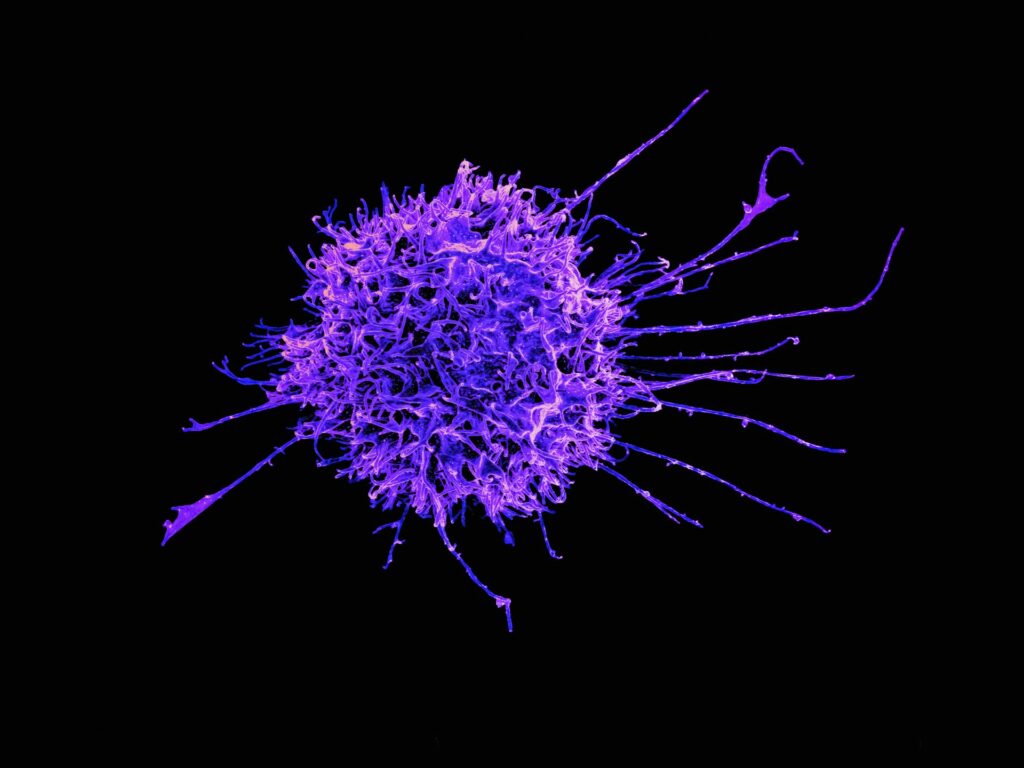
Biological age, which reflects the cellular and functional state of the body rather than years lived, significantly affects endurance sports performance through the lens of immunosenescence—the gradual decline of the immune system.
Chronological age typically peaks in endurance performance at ~25 years; maintaining a lower biological age can delay immune-related declines in performance.
Biological aging triggers specific shifts that can hinder or bolster athletic resilience:
→ Immunosenescence:
Aging is associated with a shift toward a persistent pro-inflammatory state known as “inflammaging”. This chronic low-grade inflammation can lead to sarcopenia, thereby impairing endurance capacity.
→ T-Cell Exhaustion:
Biologically older immune systems produce fewer“naïve” T-cells, which are essential for recognizing new pathogens. Instead, there is an accumulation of senescent T-cells that are less responsive to the physical stress of strenuous exercise.
→ Thymic Involution:
The thymus, which produces T-cells, naturally shrinks with age. Lifelong endurance athletes (Master Athletes) often show significantly more functional thymus tissue and higher naïve T-cell counts than sedentary peers of the same chronological age.
ENDURANCE PERFORMANCE
Biological age is a stronger predictor of physical capability (specifically cardiorespiratory fitness) than chronological age:
→ Recovery and Adaptation:
Biologically older athletes (typically over 32 in elite contexts) often experience longer recovery times between high-intensity efforts. This is due to a blunted adaptive response, where the immune and metabolic systems do not efficiently reset after the stress of a workout.
→ Energy Regulation:
The immune system is vital for endurance because immune cells release proteins such as Interleukin-13 (IL-13), which instructs muscles to switch to sustained energy programs during long training sessions.
A biologically aged immune system may dysregulate signaling, making it harder for muscles to maintain high energy output.
→ VO2 Max and Oxygen Processing:
VO2 max naturally declines with age, and a lower biological age (maintained through consistent training) allows for preservation of oxygen processing and stroke volume to keep performance levels parallel to younger athletes;
→ Reversing Senescence:
Regular aerobic exercise can “cleanse” the immune system by inducing apoptosis (cell death) in old, senescent cells, making room for more functional cells;
→ NK Cell Function:
Trained older adults maintain Natural Killer (NK) cell function (the cells that fight viruses and tumors) at levels comparable to younger, sedentary individuals.
PHYSIOLOGICAL ADAPTATIONS
RBCs are vital for endurance performance by shuttling oxygen from the lungs to working muscles. A higher RBC count enhances oxygen delivery, delays muscle fatigue, and enhances aerobic capacity and resilience. Increased RBC mass is a hallmark of endurance athletes in training.
Physiological Adaptations→ Oxygen Transport;
→ Delayed Fatigue;
→ Aerobic Capacity;
→ Waste Removal;
→ Training Response;
→ Altitude Training;
→ RBC Flexibility;
→ Anemia;
→ Iron Deficiency;
→ Aging
MULTIOMICS
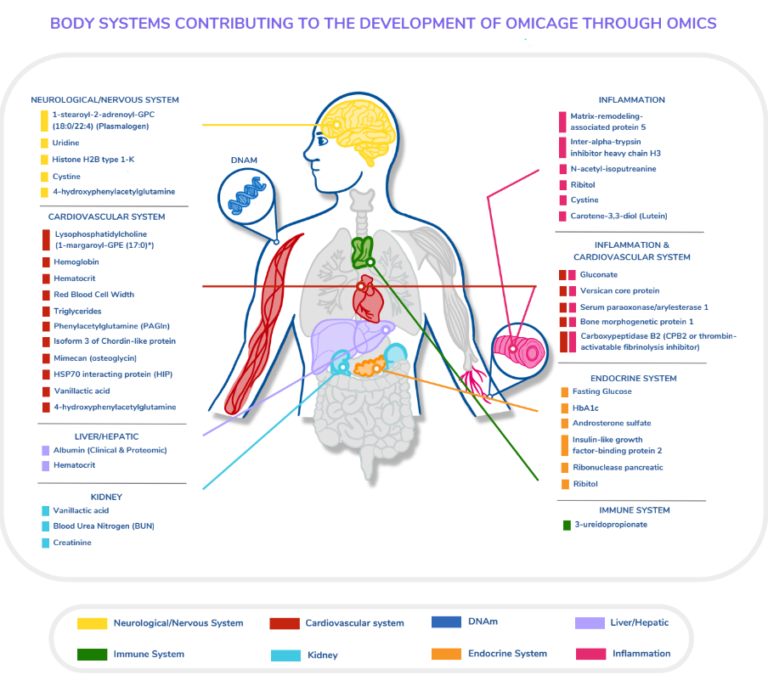
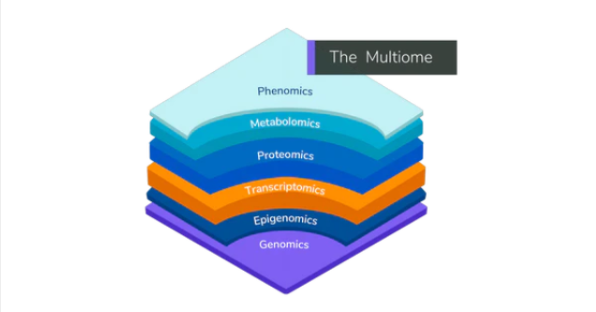
MultiOmics, or the Multiome, refers to the various layers of human biology and their interactions.
Biological Aging Recovery Keys:
→ Muscle Maintenance & Repair;
→ Minimizes Cellular Damage;
→ Hormonal Stability;
→ Metabolic Adaptations;
→ Enhances Longevity;
→ Managing Chronic Fatigue;
→ Reverses Stress-Induced Aging;
→ Cellular Repair and Regeneration;
→ Modulates Oxidative Stress;
→ Mitigates Inflammation;
→ Telomere Length;
→ Metabolic Health
Your lifestyle choices determine the expression or suppression of genes, which impacts every facet of your life. MultiOmics can identify biological aging recovery keys specific to your multinome.
As scientists strive to improve the precision and accuracy of biological age calculations by developing advanced algorithms, the importance of factoring in each level becomes critical.
Viewing the physical and cognitive traits that impact your quality of life through the lens of multiomics for an in-depth, complete, and biological understanding of exactly what is causing those aging experiences.
When scientists program their mathematical algorithms with multi-omic data, biological age predictions are more accurate and actionable for both patients and their healthcare providers.
Aging is a molecular biological process that involves physical and cognitive traits that impact your health and quality of life.
From the DNA nucleus of your cells to the gray hair on your head, the biological journey of aging has several complex stops on the cellular level.
Aging is not a unidirectional, unstoppable process. Epigenetic aging can be reversed. Epigenetics is revolutionizing preventive and integrative medicine and endurance sports performance.
Discover your biological age through the most advanced and predictive aging algorithm ever created: OMICm Age, developed by TruDiagnostic in partnership with Harvard University. It will likely delineate effort from struggle in life and sport.
Growth has no endpoint…
We have the technology to eliminate guesswork, decode superhuman, and propel your limitless potential. Challenge yourself today to boldly manifest the keys to your mansion of unparalleled health, performance, and longevity.
A limitless life is a choice…
Find more information at Performance Medicine™.
Schedule a FREE CONSULTATION via the blue widget, our contact form, or 401.207.4215.
__________________
* FEATURED IMAGE
Photo Credit → Neuroscience News