
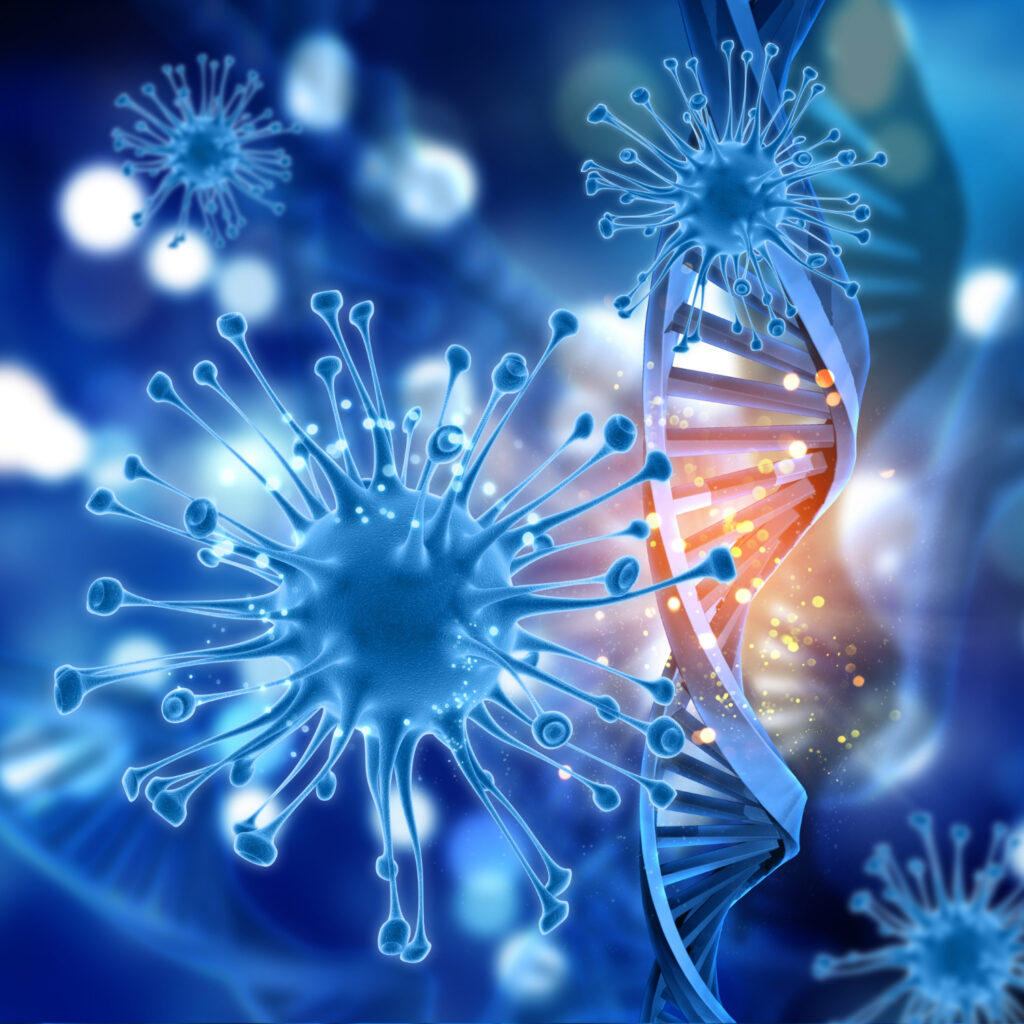
Epigenetic Aging | Immune System
Life begins and ends at the cellular level.
Aging is considered a disease.
Endurance athletes are not exempt from this cellular process.
Aging is the progressive loss of cell function; we do not age the same way or at the same rate. Epigenetic markers are responsible for cell function. You can make lasting improvements to your health and lifespan at a molecular level through lifestyle choices.
Your biological age is a more accurate predictor of healthspan and lifespan than any other molecular biomarker. It correlates health factors, fitness, socioeconomic status, and several other aspects of life.
Accelerated aging will sabotage your health, performance, and longevity.

Epigenetics represents the study of changes in organisms caused by modifications to gene expression, absent any alteration to the genetic code [DNA blueprint/sequence]. “Epi” is the Greek lexicon for “above.” Epigenetic markers are positioned above your DNA sequence and regulate gene expression/suppression based on lifestyle factors (methylation).
The promise of epigenetic testing is its depiction of cellular integrity. When variants highlight abnormal cellular function, the opportunity to reverse chronic, degenerative, autoimmune states, cancer, and biological aging, and improve your health, performance, and longevity via gene expression modification.
Physiological epigenetics studies how environmental factors—diet, stress, and lifestyle—mechanically alter gene expression without changing the DNA sequence, acting as a bridge between nurture and nature.
These reversible, functional changes (DNA methylation, histone modification) regulate cellular, metabolic, and neural processes, influencing disease risk, development, and resilience.
Acute and long-term exercise induce these changes in skeletal muscle, enhancing metabolism, mitochondrial density, and inflammatory modulation, which are critical for cardiovascular adaptation and endurance capacity.
Epigenetics impacts endurance sports performance because training induces modifications via DNA methylation, histone modifications, and miRNA regulation, altering gene expression without changing the DNA sequence.
These adaptations enhance muscle metabolism, improve oxygen utilization, increase mitochondrial density, and boost fatty acid oxidation, fundamentally altering skeletal muscle for optimized performance.
Epigenetic biomarkers, especially DNA methylation (DNAm) patterns, serve as molecular “clocks” that accurately measure biological age—the true physiological age of cells and tissues—versus chronological age.
These markers track age-related changes in DNA, enabling predictions of mortality, disease risk, and functional decline across different tissues, offering a powerful tool for longevity studies and precision medicine. Your immune system
Your immune system is a large network of organs, white blood cells, proteins, and chemicals. These parts all work together to protect you from germs and other invaders. Your immune system also helps your body heal from infections and injuries.
The various organs, tissues, and cells of your immune system are distributed throughout your body to keep your body healthy.
Find below the main components of your immune system:
→ White Blood Cells;
→ Antibodies;
→ Cytokines;
→ Lymph Nodes;
→ Spleen;
→ Tonsils | Adenoids;
→ Thymus;
→ Bone Marrow;
→ Skin;
→ Mucosa;
→ Complement System

There are two branches of your immune system devoted to protecting your health:
Innate Immune System
The innate immune system is the body’s first line of defense, providing immediate, nonspecific protection against pathogens upon birth. The innate immune system is essential for controlling infections, while the adaptive immune system is preparing a targeted response.
During an immune response, enzymes target germs for immune cells to attack. Blood vessels widen and become more permeable, leading to swelling, heat, and redness. Key functions include mounting rapid inflammatory responses and igniting the adaptive immune system.
Innate immune cells are the body’s first line of defense. These cells provide rapid, non-specific protection against invaders. They rapidly detect and destroy pathogens without requiring prior exposure, like the adaptive immune system.
The first responders in the innate immune system are primarily neutrophils, macrophages, dendritic cells, and mast cells. These cells swiftly detect pathogens, utilizing phagocytosis to engulf invaders, releasing chemical signals (cytokines) to initiate inflammation, and activating the adaptive immune system.
Adaptive Immune System
Adaptive immunity is the protection your body gains from exposure to germs.
The immune system branches complement each other to protect your health. The innate first responders stabilize the attack until the adaptive immune system finishes the job.
The adaptive immune system declines in number and function as the body ages, making it more challenging for the body to fight infections.
The biological mayhem occurs when innate immune cells proliferate and simultaneously signal, which propels inflammation.
Inflammaging can compromise the immune system, cause tissue damage, and cell depletion, leading to a shortage of responder cells to battle infections.
The adaptive immune system is a highly specialized defense mechanism that identifies and eliminates pathogens.
Adaptive immunity involves specialized immune cells and antibodies that attack and destroy foreign invaders and mitigate future disease by remembering those substances and mounting a new immune response.
CD4 and CD8 T cells are essential components of the adaptive immune system. They are lymphocytes that use rearranged receptors to provide targeted protection against pathogens and restore immunological memory.
The primary “first responders” that initiate the adaptive immune system are Naïve T cells and Naïve B cells. These lymphocytes, located in lymph nodes and tissues, are activated by antigen-presenting cells such as dendritic cells, which bridge the innate and adaptive systems.

Biological Mayhem
Immunosenescence
Biological aging causes a decline in immune function, known as immunosenescence, which causes reduced naive T-cell production, decreased adaptive immunity, and increased chronic inflammation.
Immunosenescence is the gradual, age-related decline and remodeling of the immune system, reducing its ability to fight infections and respond to vaccinations. Immunosenescence occurs faster in males than in females.
It involves both innate and adaptive immune dysfunction, leading to increased susceptibility to infections, cancer, and autoimmunity, often accompanied by chronic, low-grade inflammation known as “inflammaging”.
Immune cells respond to internal and foreign health threats. The ability of your body to effectively respond and recover from cellular invasion declines with age. Immunosenescence represents the age-related decline in immune response in our blood.
The concentration of each immune cell type varies with age-related DNAm patterns.
Senescence
Senescence is the biological process of aging, characterized by the gradual deterioration of bodily functions and the permanent cessation of cell division (cellular senescence). It acts as a protective mechanism against damaged cells but contributes to age-related tissue decline.
When immune cells undergo cellular senescence, and the immune system weakens (immunosenescence), the body loses its ability to eradicate senescent cells. This inability causes senescent cells to accumulate, which accelerates tissue aging and immune dysfunction.
Cellular senescence is the state of a single cell, and immunosenescence is the collective aging of the immune system. They both share characteristics, including high inflammatory output and functional decline.
Lifestyle and environmental stressors can ravage the quantity and quality of immune cells. DNA methylation patterns evidence that increases or decreases in specific types of immune cells.

Epigenetic Aging | Key Players
→ Naïve CD4
Derived from the thymus. Helps protect the body from infection and cancer.
Naïve CD4+ T cells are mature T lymphocytes that have passed thymic selection and have not yet encountered their specific antigen in the periphery.
As quiescent, resting cells that circulate through lymphoid organs, they act as early responders scanning for new pathogens and differentiate into effector CD4+ subsets to fight infection.
Decreased concentrations have been associated with an increased risk of COPD and Type 2 Diabetes, yet decreased the risk of all-cause mortality.
→ Naïve CD8
Naïve CD8+ T cells are associated with immunological memory rather than cognitive memory (brain function). CD8+ cells are crucial for generating immunological memory to fight infections.
Circulate in the blood and lymphoid organs in a quiescent state, awaiting specific activation to differentiate into effector (cytotoxic) or memory cells. Derived from the thymus.
→ Naïve B
Naïve B cells are mature, bone marrow-derived lymphocytes that have not yet encountered their specific antigen. They circulate through peripheral lymphoid organs (spleen, lymph nodes) expressing surface IgM and IgD receptors, ready to initiate humoral immune responses.
Once activated by an antigen and T-helper cells, they differentiate into plasma cells or memory B cells.
Decreased concentrations have been associated with a decreased risk of all-cause mortality.
→ Memory CD4
Memory CD4+ T cells are antigen-experienced lymphocytes that persist long-term after an infection or vaccination, providing rapid, enhanced immune protection upon exposure to pathogens.
Decreased concentrations have been associated with an increased risk of all-cause mortality.
→ Memory B
Memory B cells are long-lived, antigen-experienced B lymphocytes that persist for years or decades after an initial infection or vaccination. They circulate in the blood and reside in secondary lymphoid organs, acting as a rapid-response system against pathogen proliferation.
Upon detecting the same antigen, they quickly proliferate and differentiate into plasma cells to produce large quantities of high-affinity antibodies (secondary immune response).
Increased concentrations have been associated with an increased risk of cancer and a decreased risk of Type 2 Diabetes.
→ Natural Killer
Natural killer (NK) cells are specialized white blood cells and crucial components of the innate immune system that act as the body’s first line of defense, rapidly detecting and destroying virus-infected cells and tumor cells without prior activation.
These cells kill target cells via apoptosis (programmed cell death) and act as effector lymphocytes.
Decreased concentrations have been associated with a decreased risk of all-cause mortality.
→ Regulatory
Regulatory T cells are a specialized subset of white blood cells (lymphocytes) that maintain immune system homeostasis. They suppress excessive immune responses, prevent autoimmunity and ensure self-tolerance, and control inflammation.
→ Neutrophils
The most abundant type of white blood cell serves as the immune system’s primary, fast-acting defense against bacterial and fungal infections. Neutrophils travel through the blood to sites of infection, destroying pathogens via engulfment (phagocytosis) and releasing antimicrobial substances.
→ Monocytes
Monocytes are large white blood cells (leukocytes) that travel through the blood to tissues to fight infections, destroy dead cells, and reduce inflammation. They are first responder cells produced in the bone marrow and can differentiate into macrophages or dendritic cells.

EPIGENETIC BIOMARKERS AND THE IMMUNE SYSTEM
Epigenetic biomarkers are crucial to immune health because they act as dynamic, measurable switches that regulate gene expression in response to environmental factors, aging, and infections.
They track how immune cells differentiate, function, and age, and identify genetic propensities to enable early disease detection and personalized treatment strategies for immunotherapy and autoimmunity.
Key Aspects:
→ Dynamic Monitoring of Immune Function;
→ Disease Susceptibility & Early Detection;
→ Immune System “Memory” and Aging;
→ Environmental Link & Therapeutic Targeting;
→ Innate Immune Response Regulation;
→ Immune Cell Differentiation;
→ Immunological Fingerprint;
→ Aging and Chronic Disease;
→ Pathogen Response Management;
→ Diagnostics and Therapy;
→ Clinical Applications:
Epigenetic biomarkers—primarily DNA methylation and histone modification—are vital for immune health and gene expression regulation, like a dimmer switch without altering the DNA sequence.
These biomarkers determine immune cell plasticity and differentiation, enabling effective pathogen defense and serving as indicators for aging, cancer detection, and autoimmune disease prognosis.
These reversible modifications, influenced by environment and lifestyle, are critical to understanding how the immune system adapts and fails under chronic stress or disease.
Being fit but unhealthy is a recurring theme; it delineates effort from struggle in life and sport.
Proper gene expression is a big deal. The havoc begins when a gene is expressed when it should be suppressed or vice versa, and its impact reaches far beyond a subpar training day.
This invites inflammation, chronic and degenerative diseases, accelerated biological aging, senescence, and a plethora of other undesirable outcomes, no matter the endurance athlete’s level of fitness.
Growth has no endpoint…
We have the technology to eliminate guesswork, decode superhuman, and propel your limitless potential. Challenge yourself today to boldly manifest the keys to your mansion of unique health, performance, and longevity.
The last thing you want is to be fit but unhealthy.
Learn more at Performance Medicine™.
A limitless life is a choice…
Schedule a FREE CONSULTATION via the widget, our contact form, or 401.207.4215.