

Epigenetics | Endurance Sports Performance
Being fit but unhealthy is a recurring theme; it delineates effort from struggle in life and sport.
The keys to your mansion of unparalleled health, performance, and longevity are optimal when lifestyle matches chronotype.
Performance optimization cannot occur without first enhancing health. Homeostasis is the dynamic interaction between genetics and lifestyle [nature and nurture]. Synergy is the lynchpin.
“Your genes may load the gun, but your lifestyle pulls the trigger.”
~Julieanna Hever, MS, RDN, CPT
__________________
I have never met an endurance athlete who did not want to improve his/her performance; yet, most endurance athletes with whom I work are fit yet unhealthy. The key is likely a mindset shift: health first, performance second.
There is strong correlational evidence that genetics plays an important role in athletic performance. Elite athletes tend to have a specific genetic array; however, possessing similar genetics does not guarantee elite performance.
There are elite athletes with genetics that are not indicators of elite performance. Several factors contribute to this seemingly disparate occurrence, such as DNA sequence [genetic blueprint], epigenetics, and environmental factors.
Epigenetics represents an unprecedented, bold medical paradigm that leverages cutting-edge technology to shift genetic expression, delivering mind-blowing results in life and sport.
Epigenetics provides visionary, incisive, evidence-based measures and strategic actions to genetically optimize and enhance health, performance, and longevity – because life begins and ends at the cellular level.
Epigenetics represents the study of changes in organisms caused by modifications to gene expression, absent any alteration to the genetic code [DNA blueprint/sequence]. “Epi” is the Greek lexicon for “above.” Epigenetic markers are positioned above your DNA sequence and impact gene expression/suppression based on lifestyle factors [methylation].
Your DNA blueprint is absolute and cannot be altered. Think of epigenetic markers as apostrophes sprinkled above the letters and words of a sentence [your DNA sequence]. Your DNA provides instructions for producing proteins inside cells. Epigenetic markers impact [like a dimmer switch] how genes are read by cells.
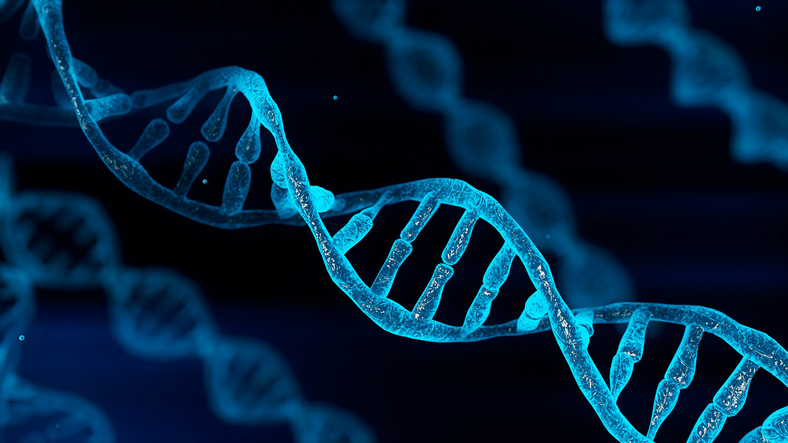
Epigenetics represents all inputs from life and what is possible.
It identifies propensities that can be modified, whether sleep, stress, nutrition, supplementation, athletic performance, environmental health, hormones, biological age, neurotransmitters, the endocannabinoid and glutathione systems, nitric oxide production, mitochondrial biogenesis, neuroepigenetics, heart rate variability, cognition, and a host of other testing categories.
Your genetic blueprint is one of the many pieces of the complex human system. Your genetic blueprint [DNA sequence] consists of a combination of DNA markers [alleles] [Adenosine – A, Cytosine – C, Guanine – G, and Thymine – T] known as Single Nucleotide Polymorphisms [SNPs – pronounced “snips”].
SNPs represent the keys to this cutting-edge paradigm optimizing gene expression. In an ideal world, the A allele pairs with the T allele and the C allele pairs with the G allele.
Life is not ideal and offers a different set of unpredictable parameters. Therein lies the benefit of matching desired outcomes with propensities.
Athletic propensities are generally expressed through a combination of SNPs versus solitary SNPs. Epigenetics provides genetic expression through environmental and lifestyle modifications.
The alteration of specific genes occurs through nutrigenomics – the strategic use of nutrition and supplementation to modify epigenetic expression.
Epigenetics is about propensities, not absolutes. Possessing ideal genes for elite performance will not make you an elite athlete, and not having optimal performance genetics does not make it out of reach.
The key is to grasp the basic elements of the art and science of genetics, epigenetics, nutrigenetics, nutrigenomics, and the interface with your DNA sequence to catalyze your desired outcomes.
Proper gene expression is a big deal. The mayhem begins when a gene is expressed when it should be suppressed or vice versa, and its impact reaches far beyond a subpar training day.
This invites inflammation, chronic and degenerative diseases, accelerated biological aging, senescence, and a plethora of other undesirable outcomes, no matter the endurance athlete’s level of fitness.
Epigenetic testing can benefit ultra-endurance athletes by providing personalized insights into biological aging, disease risk, and recovery potential, enabling tailored training and nutrition plans.
By monitoring biological age and tracking improvements over time, athletes can optimize their lifestyle to enhance performance and resilience.
Epigenetic testing can impact endurance sports performance by identifying how environmental factors, such as training and nutrition, affect gene expression, enabling tailored strategies for athletes.
Coaches can analyze epigenetic markers to personalize training programs, optimize nutrition, and enhance recovery by understanding an athlete’s propensity to endurance capacity, physiological adaptations, recovery, and injury risk.
Find a few realms below:
→ Personalized training;
→ Performance;
→ Enhanced recovery;
→ Early disease risk detection;
→ Tracking progress;
→ Motivation and accountability;
→ System-specific aging;
→ Optimum wellness;
→ Recovery optimization;
→ Longevity;
→ Brain function;
→ Microbiome;
→ Metabolic efficiency;
→ Nutrition periodization
Epigenetic Performance Testing
Epigenetic testing reveals how endurance sports physically transform the body by altering gene expression through DNA methylation, affecting metabolism, mitochondrial function, and inflammation to enhance performance.
Physiological adaptations include igniting fat-burning genes and optimizing cellular repair, creating a molecular “memory” in muscles that enhances future adaptations, a powerful tool for personalizing training and understanding health, performance, and longevity in life and sport.
Epigenetics | Endurance Sports Performance
→ Physiological adaptations;
→ Environmental triggers;
→ Recovery and injury;
→ Key nutrients;
→ Molecular adaptations;
→ Mitochondrial biogenesis;
→ Muscle fiber transition;
→ Inflammation control;
→ Training optimization;
→ Injury Prevention;
→ Lasting impact;
→ Gene expression control;
→ Skeletal muscle remodeling;
→ Fiber type transition;
→ Metabolic efficiency;
→ Anti-inflammatory response;
→ Precision training optimization;
→ Monitor training adaptations;
→ Enhanced metabolism;
→ Non-coding RNA alterations

Key Epigenetic Adaptations to Endurance Training
→ Metabolic flexibility;
→ Muscle growth and repair;
→ Anti-Inflammatory effects;
→ Epigenetic memory
Key Players
→ DNA Methylation;
→ MicroRNAs;
→ Histone Modification
miRNAs
MicroRNAs (miRNAs) are small, non-coding RNAs that act as crucial regulators of gene expression, significantly influencing endurance performance by modulating skeletal muscle adaptation, energy metabolism, angiogenesis, and cardiovascular function.
Specifically, circulating miRNAs serve as biomarkers of training adaptation and are altered in response to exercise-induced stress, aiding in muscle repair, inflammation control, and mitochondrial function.
Key influences of miRNAs on endurance performance include:
→ Muscle adaptation & metabolism;
→ Cardiovascular function & angiogenesis;
→ Recovery and fatigue management;
→ Distinct training profiles
These molecules show promise as future, minimally invasive, molecular tools for monitoring training status, adapting recovery, and optimizing endurance performance.
DNA Methylation
Endurance sports performance is heavily influenced by epigenetics, where long-term training induces DNA methylation changes in skeletal muscle, enhancing metabolic efficiency, mitochondrial function, and gene expression without altering the DNA sequence.
These modifications improve muscle adaptation, fuel utilization, and recovery, often reflecting a “memory” of training that optimizes endurance capacity.
Find a few key aspects below:
→ DNA methylation changes;
→ Muscle adaptation;
→ Transcriptional regulation;
→ Training load effects;
→ Impact on aging;
→ Dietary influence;
→ Environmental factors
The promise of epigenetic testing is its depiction of cellular integrity. When variants highlight abnormal cellular function, the opportunity to reverse chronic, degenerative, autoimmune states, cancer, and biological aging, and improve your health, performance, and longevity via gene expression modification.
Histone Modification
Endurance sports performance is enhanced by exercise-induced histone modifications in skeletal muscle, which promote metabolic adaptation, mitochondrial biogenesis, and shifting to slow-twitch fibers.
These modifications help transform muscle metabolism to increase endurance.
Key Aspects of Histone Modification and Endurance
→ Transcriptional regulation;
→ Key molecular changes;
→ Muscle adaptation;
→ Training specificity
These changes contribute to improved efficiency, increased capacity, fat oxidation, and fatigue resistance.

Epigenetic Testing | Endurance Performance
→ Personalized training;
→ Optimized nutrition;
→ Enhanced recovery;
→ Understanding adaptations;
→ Physiological adaptations to endurance training;
→ Optimized training blueprint;
→ Precision endurance sports nutrition;
→ Recovery strategies;
→ Biological age insights;
→ Inflammation mitigation;
→ Metabolic health;
→ Immune system function;
→ Pace of aging impact;
→ Organ health;
→ Disease propensity;
→ Optimized supplementation;
→ Understanding biological age;
→ Improved efficiency;
→ Monitoring training adaptations;
→ Longevity in sport
→ And more
Systems Approach
It is necessary to integrate a complex systems approach to optimize health, performance, and longevity. It is essential to understand that the human system is unpredictable and complex, rather than merely complicated.
The human system is adaptive and dynamic. App algorithms focus on complicated, predictable, and static biometrics.
The invaluable art of applying complicated data to complex thinking is “augmented intelligence.” The precise interpretation of complicated data is the key to transcending health, performance, and longevity in life and sport.
Epigenetic testing provides critical insights into ultra-endurance performance. It pinpoints how training and lifestyle impact one’s biological health, which allows targeted modifications to the following:
→ Physiological adaptations to endurance training;
→ Optimized training blueprint;
→ Precision endurance sports nutrition;
→ Recovery strategies;
→ Biological age insights;
→ Inflammation mitigation;
→ Metabolic health;
→ Immune system function;
→ Pace of aging impact;
→ Organ health;
→ Disease propensity;
→ Optimized supplementation;
→ And more

Epigenetics has revealed that specific genes can influence how efficiently your body uses oxygen during exercise, recovery, and how your muscles respond to endurance training. Understanding these genetic traits, athletes can personalize their fitness routines, focusing on exercises that work best for their unique genetic profile.
By analyzing specific genetic markers, science determines an individual’s natural inclination toward endurance exercise. This cutting-edge approach paves the way for precision training to enhance aerobic efficiency, reduce fatigue, and enhance performance.
Endurance sports performance is heavily influenced by genetic factors that affect oxygen utilization, metabolic efficiency, and cardiovascular function. While no single “super gene” exists, a combination of key genetic markers determines an individual’s potential for sustained aerobic exertion.
Epigenetic testing can impact endurance sports performance by providing insights into how an individual’s training, nutrition, and recovery can be optimized and revealing propensities to specific adaptations.
Epigenetic research shows that environmental factors such as exercise and diet can alter gene expression to improve endurance, and testing can help athletes tailor their training and recovery.
Epigenetic testing provides endurance athletes with personalized insights to optimize training, nutrition, and recovery by analyzing how lifestyle factors affect gene expression.
Key benefits include identifying genetic markers for muscle composition and endurance, tailoring training intensity to prevent injury, and slowing biological aging to maximize career longevity.
Epigenetic Biomarkers | Endurance Sports Nutrition:
→ Personalized nutrition plans;
→ Optimized nutrient assimilation;
→ Enhanced muscle adaptation;
→ Metabolic efficiency;
→ Inflammation regulation;
→ Improved aerobic capacity;
→ Monitoring training load;
→ Muscle memory;
→ Nutrigenomics adaptation;
→ Metabolic impact;
→ Muscle metabolism;
→ Cardiovascular improvements;
→ Enhanced recovery;
→ Injury prevention;
→ Biological age management
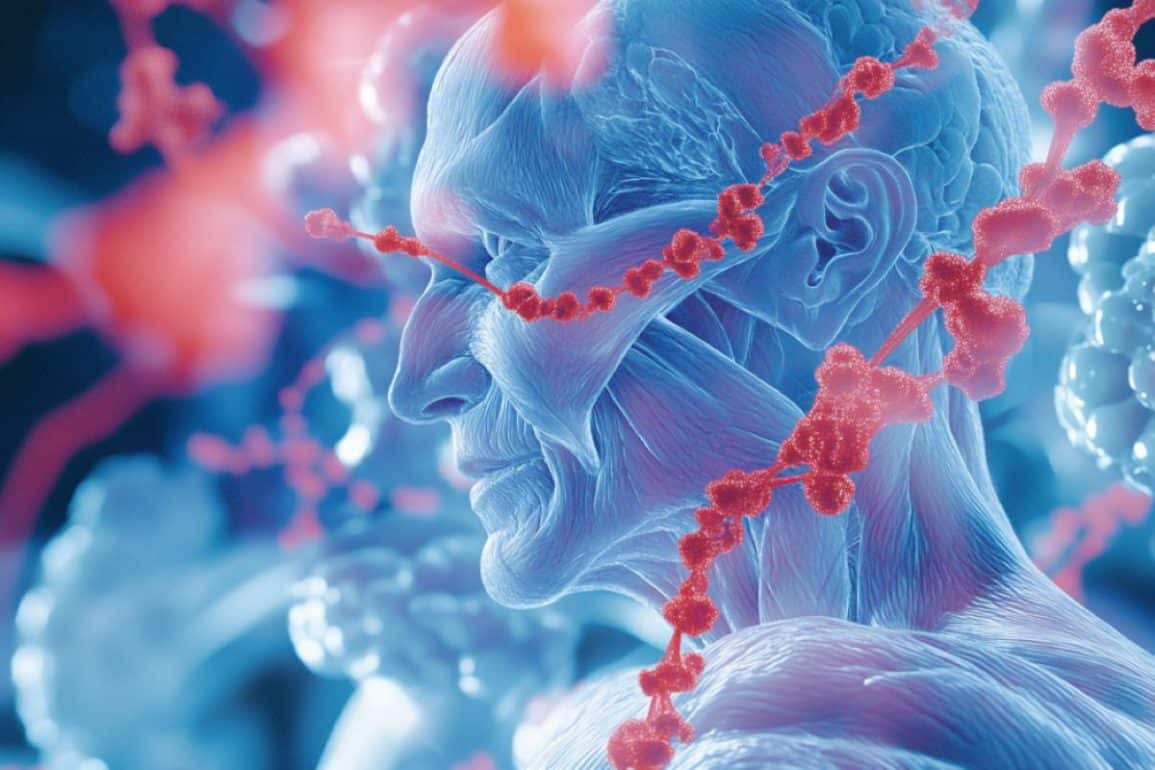
While genetic propensities provide the foundation, epigenetic modifications act as the bridge between the environment and athletic potential, allowing training-induced, heritable changes in gene expression and function.
Find below a few prominent genes associated with endurance sports performance:
→ ACE [Angiotensin-Converting Enzyme – I allele]: Often called the “endurance gene,” the I-allele (insertion) is strongly associated with high-altitude mountaineering, long-distance running, and rowing. It improves efficiency by lowering ACE activity, enhancing metabolic efficiency, and VO2max.
→ PPARGC1A [Peroxisome Proliferator-Activated Receptor Gamma Coactivator 1-alpha]: Known as a master regulator of mitochondrial biogenesis, this gene improves the body’s ability to produce ATP in the cells, increasing the capacity for endurance training and efficiency.
→ ACTN3 [Alpha-Actinin-3 – XX genotype]: While the R-allele is for power, the 577XX genotype [protein deficiency] is associated with higher proportions of slow-twitch (Type I) muscle fibers, which are ideal for sustained, long-duration efforts.
→ EPAS1 [Endothelial PAS Domain Protein 1]: Frequently referred to as the “super-athlete gene” (especially in high-altitude populations), it regulates the body’s response to low oxygen levels (hypoxia) by boosting hemoglobin production and improving oxygen-carrying capacity.
→ PPARA [Peroxisome Proliferator-Activated Receptor Alpha]: Improves the body’s ability to metabolize fatty acids, optimizing fuel utilization during long-duration activities.
→ NOS3 [Nitric Oxide Synthase 3]: Improves cardiovascular function and blood flow by regulating vasodilation, which increases oxygen delivery to muscles during exercise.
→ HIF1A [Hypoxia-Inducible Factor 1-alpha]: Regulates the body’s response to oxygen deficiency, improving angiogenesis (creation of new blood vessels) and increasing aerobic capacity.
→ BDKRB2 [Bradykinin Receptor B2]: Associated with increased expression in elite endurance athletes, it improves cardiovascular efficiency and energy metabolism.
→ AMPD1 [Adenosine Monophosphate Deaminase 1]: Plays a critical role in energy metabolism within skeletal muscle, helping to maintain energy balance during prolonged, fatiguing exercise.
→ SOD2 (Superoxide Dismutase 2]: Protects against oxidative stress generated during high-volume endurance training, improving muscle recovery and limiting cellular damage.
“Epigenetics Revolution” by Nessa Carey provided the following analogy.
Think of your life as a movie:
→ Cells represent the actors – the essential units that make up the movie;
→ DNA represents the script – instructions for all participants of the movie and their roles;
→ DNA sequence represents the words on the script;
→ Genes instruct key actions or events to occur;
→ Genetics represents screenwriting;
→ Epigenetics represents directing all elements of the movie.
The director can alter the film by tweaking scenes, dialogue, and so forth. Steven Spielberg would create a different product from Woody Allen, even though both directors had the same script.
Perhaps it is time to rewrite your script?
Growth has no endpoint…
Merge your epigenetic biomarkers, blood analysis, mitochondrial efficiency, and heart rate variability with our bold, curated consults to master the difference between effort and struggle. Everything changes when you discover the difference between effort and struggle in life and sport.
We have the technology to eliminate guesswork, decode superhuman, and propel your limitless potential through precision medicine. Challenge yourself today to boldly manifest the keys to your mansion of unparalleled health, performance, and longevity.
A limitless life is a choice…
Find more information at Performance Medicine™.
Schedule a FREE CONSULTATION via the widget, our contact form, or 401.207.4215.