
Epigenetic Entrainment
Life begins and ends at the cellular level.
Epigenetic testing in endurance sports provides a real-time snapshot of how your lifestyle and training are transforming your body at the cellular level. Your DNA represents the hardware, while epigenetic biomarkers represent the software governing gene expression.
Epigenetic entrainment is a critical biological mechanism in endurance sports that allows your body to adapt its genetic expression to meet the physical demands of training.
Epigenetic analysis measures how genes are expressed or suppressed through mechanisms like DNA methylation, histone modifications, and microRNA activity. It relies on dynamic genetics versus the static nature of other testing protocols.
Epigenetic entrainment is crucial for endurance sports because it acts as a molecular bridge between training stimuli and physical adaptation, enabling lasting changes in muscle function without altering your DNA sequence.
It optimizes metabolism and improves muscle efficiency by altering DNA methylation (DNAm), allowing faster recovery, increased mitochondrial function, and superior fatigue resistance.
Epigenetic entrainment is the process by which environmental factors (diet, stress, or toxins) or behaviors (exercise) “entrain” or lock specific chemical markers on DNA—such as methylation and histone modifications—that turn genes “on” or “off” without altering the DNA sequence.
Entrainment is the process of aligning; coherence is the state of harmony.
These are reversible, long-lasting modifications that bridge environment and gene expression, influencing health, performance, biological aging, and longevity.
Endurance training induces skeletal muscle adaptations—such as improved metabolism, mitochondrial biogenesis, and angiogenesis—by altering the epigenome, specifically through DNA methylation, histone modifications, and non-coding RNAs.
These changes serve as a molecular “memory” (epigenetic entrainment) that enhances metabolic regulation, enabling muscles to adapt more quickly after inactivity.
Regular exercise acts as an environmental signal that “entrains” the genome to adapt.
Key Physiological and Epigenetic Adaptations
→ DNA Methylation Change;
→ Transcriptional Response;
→ Muscle Memory;
→ Metabolic Signaling;
→ Cardiovascular Integration

Terminology
Entrainment
Entrainment is not equivalent to synchronization. The terms are often used interchangeably.
Both terms indicate temporal coordination of two or more events.
Entrainment applies to situations in which two or more biological oscillators match. The oscillators may be organized hierarchically or have a more equivalent coupling relationship whereby they influence one another mutually to set period and (inevitably) phase.
Entrainment is the process by which two interacting, independent oscillators (like internal biological rhythms) adjust their periods to match an external pacemaker, resulting in synchronization.
Entrainment is a dynamic mechanism (the how) of coupling. Synchronization is the resulting state (the what) of simultaneous timing. The process and resultant state are in sync.
Entrainment is the process by which independent systems pull each other into synchronization, such as breathing and heart rate.
Entrainment leads to increased coherence. When systems (like respiration and heart rate) entrain, the resulting state is often described as high coherence.
Entrainment can be external (brainwaves following a rhythmic sound), while physiological coherence is often internal harmony (heart-brain axis). Independent biological oscillators become whole.
Synchronization
Synchronization can occur between two internal systems (heart rate and breathing) or between internal and external events.
Synchronization need not result from entrainment. To state that entrainment is synchronization is to miss the critical distinction between masking and entrainment.
Synchronization is the state or outcome of temporal alignment in which two or more events occur at the same time or at a common frequency, without necessarily involving an external influence.
Synchronization does not require an oscillator. If an action and a reaction occur simultaneously, they are synchronized.
Coherence
Cardiac coherence (coherence) measures how smooth, sine-wave-like, and stable a single system’s rhythm is, such as the heart rhythm.
Cardiac coherence is a measure of stability, and synchronization within a system’s rhythms while entrainment is the process by which two or more oscillating systems synchronize their frequencies.
Coherence describes the state of harmony, and entrainment is the mechanism that creates that harmony.
Coherence focuses on the order of the pattern itself; entrainment focuses on the coupling and synchronization between different rhythms.
Rhythm
Biological rhythm (or biorhythm) refers to any recurrent, cyclical variation in a living organism’s physiological, molecular, or behavioral processes, driven by internal “clocks” and adapted to environmental cycles.
Regulated primarily by the suprachiasmatic nucleus (SCN) in the brain, these rhythms synchronize bodily functions like sleep, hormones, and digestion with environmental cues, ensuring adaptation and homeostasis.
Emerging research suggests that endurance exercise induces different epigenetic and gene expression profiles in men and women, leading to sex-specific physiological responses.
These alterations to the skeletal muscle epigenome represent a highly plastic, long-term molecular memory mechanism that allows athletes to build endurance more efficiently over time.
Entrainment is the process by which two independent, oscillating systems interact and lock in a single shared frequency (synchrony).
Coherence is a measure of the stability and harmony within a single rhythm (auto-coherence) or the degree of phase locking between two signals.

Key Differences:
Entrainment is a dynamic, often external process where a stronger rhythm forces a weaker one to synchronize.
Coherence describes the internal, organized efficiency of a single rhythm or the harmony of two systems working together (HRV becoming highly ordered).
Entrainment is usually directional (A influences B). Coherence can be internal, representing an optimized state (e.g., heart-brain coherence).
Entrainment is often used to synchronize biological systems (menstrual cycles, circadian rhythms, heart rate). Coherence in biology usually denotes high order in rhythmic activity, often resulting from or enabling efficient energy usage.
Key Values:
→ Molecular Memory;
→ Enhanced Muscle Adaptations;
→ Optimized Gene Expression;
→ Improved Cardiovascular Function;
→ Individualized Training
These modifications allow the body to adapt to the metabolic demands of endurance sports, turning environmental stress (training) into improved performance outcomes.
Performance Keys | Entrainment
In the context of endurance sports, entrainment refers to the synchronization of biological systems (like your circadian rhythm or metabolic cycles) with external training stimuli.
→ Biological Oscillators;
→ Training Synchronization;
→ Metabolic Flexibility;
→ Metabolic Efficiency;
→ Muscle Memory:
→ Mitochondrial Biogenesis:
→ Inflammation Management:
→ Injury Risk
→ Training Response;
→ Nutritional Strategy;
→ Fuel Utilization
In endurance sports, entrainment is the synchronization of a rhythmic body movement (such as running or cycling) with an external or internal rhythmic stimulus.
This process serves as a powerful performance booster by improving movement economy, reducing perceived exertion, and enhancing physiological efficiency.
Entrainment Mechanisms
Entrainment operates through several biological and psychological channels:
→ Movement Efficiency;
→ Psychological Distraction;
→ Locomotor-Respiratory Coupling (LRC);
→ Cardiolocomotor Synchronization (CLS);
→ Instructed (Intentional) Movement;
→ Spontaneous (Unintentional Movement);
→ Cadence Management;
→ Neurofeedback;
→ Skill Learning;
→ Fatigue Management
Coherence and entrainment have a special bond. The cardiolocomotor synchronization (CLS) or heart-muscle is reliant on entrainment to enhance endurance sports performance.
Entrainment occurs when the heart rate and breathing rhythms synchronize with the mechanics of locomotion (cadence), which is the glue that holds performance together under sustained strain.
The relationship between coherence and entrainment in endurance sports performance necessitates rhythmic cohesion resultant in synchronization.
→ Performance Benefits;
→ Entrainment Mechanisms;
→ Focus and Stability;
→ Brain Entrainment;
→ Circadian Rhythm;
→ Ultradian Rhythm;
→ Infradian/Circannual Rhythm;
→ Molecular Rhythms
Endurance sports performance improves when the athlete’s internal physiological systems (heart/breathing) entrain with the sport’s mechanical rhythm, resulting in a coherent, efficient state.
Heart Rate Variability
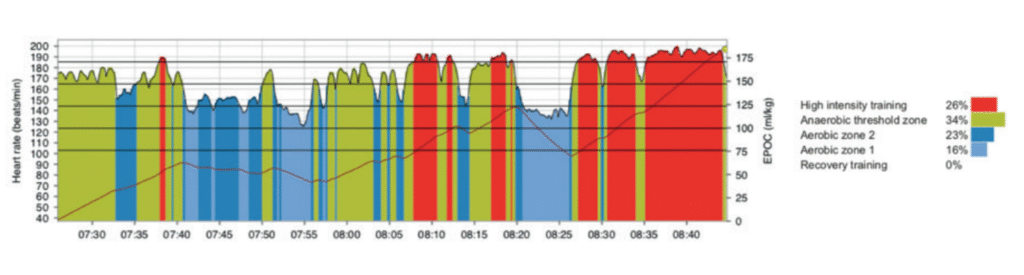
Epigenetic entrainment and heart rate variability (HRV) are linked through the body’s ability to adapt to environmental and behavioral stressors.
HRV is considered a marker of a resilient autonomic nervous system (ANS) and is associated with healthy epigenetic regulation. Chronic stress reduces HRV and can lead to maladaptive epigenetic changes.
Key Connections
→ Epigenetic Resonance;
→ Molecular Entrainment;
→ Stress Regulation
Mitochondria
Epigenetic entrainment by mitochondria involves bidirectional communication in which metabolic states altered by environmental factors regulate gene expression through epigenetic modifications.
Mitochondria act as an energy-sensing hub, producing metabolites as essential substrates or cofactors for chromatin remodeling enzymes, thereby coupling metabolic homeostasis with gene expression and cellular adaptation.
Environmental stimuli, such as exercise, diet, or toxic stress, can cause stable epigenetic alterations that modulate mitochondrial function, a phenomenon termed environmental epigenetics.
Mitochondria | Epigenetic Regulation
Mitochondrial function directly regulates the activity of enzymes that add or remove epigenetic marks on nuclear DNA:
→ DNA/Histone Methylation;
→ Histone Acetylation;
→ Demethylation;
→ Metabolic Signaling;
→ Endurance Training;
→ Dietary Influence;
→ Stress Responses
In endurance sports, epigenetic entrainment refers to the process by which consistent training programs your genes to respond more efficiently to environmental stressors and physiological adaptations.
Key Mechanisms in Endurance Performance
The body uses three primary “switches” to entrain your genes for better performance:
→ DNA Methylation;
→ Histone Modification;
→ MicroRNAs (miRNAs)
Muscle Memory Effect
One of the most powerful aspects of epigenetic entrainment is skeletal muscle memory.
Skeletal muscle memory is underpinned by epigenetic changes, particularly DNA hypomethylation (loss of methyl tags), which persists during detraining and enables faster adaptation upon retraining.
These “epigenetic tags” persist through cell divisions and record periods of growth (hypertrophy) or high-intensity exercise, with specific genes related to muscle remodeling, calcium signaling, and metabolism remaining primed for increased expression even after extended rest.
Once genes have been “entrained” through a period of hard training, they retain an epigenetic imprint even during periods of rest or injury.
When you return to training, these genes reactivate much faster than they did the first time, allowing you to quickly peak fitness.
Epigenetic Performance Testing can reveal how your specific lifestyle and training methodology are “pulling the trigger” on your genetic potential.
Autonomic Nervous System
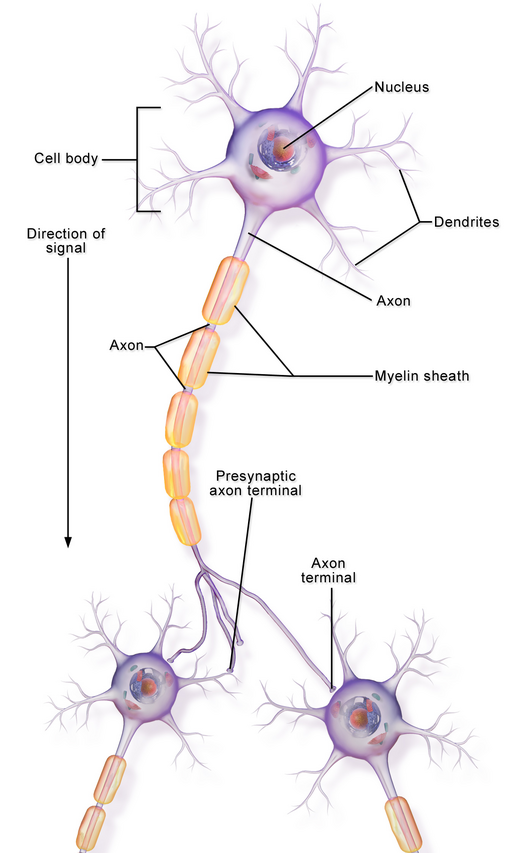
Entrainment and the autonomic nervous system (ANS) act as the “rhythm” and “regulator” that determine how efficiently you can sustain high-intensity effort over time.
It represents the synchronization of biological rhythms to external or internal stimuli such as running cadence or musical beats.
→ Locomotor-Respiratory Coupling (LRC);
→ Energy Efficiency;
→ External Stimuli;
→ Parasympathetic Reactivation;
→ Heart Rate Variability (HRV);
→ Psychological Resilience;
→ Lower Perceived Exertion;
→ Brain Endurance Training;
→ Improved Economy;
→ Enhanced Fatigue Resistance
Cardiac coherence is a measurable physiological state defined by high-order synchronization in heart rate variability (HRV) patterns, by which the heart, brain, and nervous system operate in unison.
It represents an autonomic balance often achieved through controlled breathing, which promotes increased HRV synchronization and improved physiological efficiency. For more details, visit Performance Medicine™.
In endurance sports performance, entrainment—specifically HRV biofeedback—serves as a powerful tool for enhancing self-regulation, and HRV monitoring acts as a critical objective metric for personalizing training and recovery.
HRV-Based Entrainment | Endurance Performance
Entrainment, often achieved through breathwork and postural awareness, is a self-regulation technique where an athlete synchronizes their breathing with their heart rhythm to maximize HRV. This process enhances the heart-mind connection, offering several performance benefits:
→ Stress Management;
→ Physiological Efficiency;
→ Acute Performance Tuning;
→ Modulation of ANS Branches;
→ Training Readiness;
→ Individualized Prescription;
→ Prevention of Overtraining;
→ Submaximal Efficiency;
→ Lactate Threshold;
→ VO2max;
→ Recovery
Cardiac coherence is a state of highly ordered, synchronized heart rate variability (HRV) acts as a physiological bridge influencing epigenetic expression—the “entrainment” or switching on/off of genes—by reducing stress-related biochemical signaling and fostering a protective metabolic environment.
By increasing HRV and promoting cardiac coherence, the body can alter the “epigenetic landscape” without changing the DNA sequence, reversing the impact of chronic stress and environmental factors on cellular health.
HRV serves as a marker for this process. Higher HRV markers and coherence are directly linked to heart rhythm, and the epigenetic changes occur via key pathways:
→ Reduction of Pathological Gene Signaling:
→ Modulation of Epigenetic “Writers” and “Erasers”:
→ Metabolic-Epigenetic Crosstalk:
→ Sirtuin Activation;
→ Lower inflammation;
→ Protection against arrhythmias;
→ Sustain Metabolic Flexibility
Cardiac coherence is the functional, rhythmic state that entrains the nervous system toward parasympathetic dominance, providing the signaling environment necessary for healthy epigenetic regulation—effectively shifting the body from a “pathological” epigenetic profile to a “protective” one.
Cardiac coherence acts as a functional trigger for epigenetic entrainment by creating a stable, high-efficiency physiological state that signals the body to modulate gene expression.
It works by balancing the ANS and influences the molecular environment, including metabolic intermediates, DNA methyltransferases, and histone deacetylases.

Cardiac Coherence | Epigenetic Entrainment:
→ Autonomic Balance and Gene Expression;
→ Signaling Mechanism (Mechano-Epigenetics);
→ Reversibility of Epigenetic Marks;
→ Metabolic Intermediate Influence
Cardiac coherence provides the optimal, low-stress environment necessary for the heart’s genetic machinery to undergo epigenetic entrainment.
Cardiac coherence describes the process by which conscious emotional regulation and rhythmic breathing (coherence) trigger molecular changes in gene expression (epigenetics) to improve heart health.
Practicing heart-focused coherence can modulate cardiac epigenetics—such as DNA methylation and miRNA levels.
This will reduce inflammation, boost resilience, and potentially reverse maladaptive cardiac remodeling, and operate efficiently, promoting positive, adaptive epigenetic modifications rather than pathological ones.
In the context of endurance sports, a biological oscillator is a physiological system that undergoes regular, repeating cycles over time to regulate performance-critical processes. These oscillators are driven by an inhibitory feedback loop and a delay, allowing variables to rise and fall rhythmically.
In endurance performance, these oscillators manifest in several key ways:
→ Circadian Oscillators;
→ Training Load Oscillation;
→ Metabolic and Cellular Oscillators;
→ Brain and Sleep Oscillators:
Oscillation is defined as a periodic, repeating change in a measurement—such as voltage, position, or concentration—that moves around a central stable value. Oscillations are a form of rhythm, specifically a precise, often continuous, and periodic rhythm.
An oscillator is any system that undergoes regular, repeating cycles over time, which makes
the output of that system a rhythm. Rhythms are described as the output of these oscillators.
Biological oscillations (molecular loops in cells) are considered the foundation for biological rhythms (circadian rhythms and heartbeats). Oscillations that repeat predictably are rhythms; some definitions in specific fields may distinguish between them.
Neural rhythms are oscillations in electrical activity, though recent research suggests these rhythms are not always sustained, but can exist as “bursts” or intermittent, transient events. Oscillations constitute the “hidden” rhythm or the “hidden clock” that makes systems such as the heartbeat tick.
Athletes can optimize their performance through entrainment by aligning internal biological clocks with external cues such as light, meal timing, and the specific time of day they train or compete.
Endurance athletes have a penchant for improving his/her performance despite its impact on health or longevity. Being fit but unhealthy is a recurring theme; it delineates effort from struggle in life and sport.
The keys to your mansion of unparalleled health, performance, and longevity are heightened when lifestyle matches chronotype. Performance optimization cannot occur without first enhancing health. Homeostasis is the dynamic interaction between genetics and lifestyle [nature and nurture]. Synergy is the lynchpin.
Epigenetics represents an unprecedented, bold medical paradigm that leverages cutting-edge technology to shift genetic expression, delivering mind-blowing results in life and sport.
Epigenetics provides visionary, incisive, evidence-based measures and strategic actions to genetically optimize and enhance health, performance, and longevity – because life begins and ends at the cellular level.
Growth has no endpoint…
Merge your epigenetic biomarkers, blood analysis, mitochondrial efficiency, and heart rate variability with our bold, curated consults to master the difference between effort and struggle. Everything changes when you discover the difference between effort and struggle in life and sport.
We have the technology to eliminate guesswork, decode superhuman, and propel your limitless potential through precision medicine. Challenge yourself today to boldly manifest the keys to your mansion of unparalleled health, performance, and longevity.
A limitless life is a choice…
Find more information at Performance Medicine™.
Schedule a FREE CONSULTATION via the widget, our contact form, or 401.207.4215.
________________________________

Photo Credit
Salomom | Team Poland
Subject:
Katarzyna Wilk
Ultra-Endurance Athlete Extraordinaire