Epigenetic Aging | Fitness
Life begins and ends at the cellular level.
Aging is considered a disease.
Endurance athletes are not exempt from this cellular process.
Aging is the progressive loss of cell function; we do not age the same way or at the same rate. Epigenetic markers are responsible for cell function. You can make lasting improvements to your health and lifespan at a molecular level through lifestyle choices.
Chronological Age is the number of years you have been alive. Biological Age describes how well your body is aging. A body that ages more slowly will have enhanced cellular function and fewer outward traits (wrinkles, vision loss, and susceptibility to age-related diseases) than someone who ages faster.
Your biological age is a more accurate predictor of healthspan and lifespan than any other molecular biomarker. It correlates health factors, fitness, socioeconomic status, and several other aspects of life.
Accelerated aging will sabotage your health, performance, and longevity.
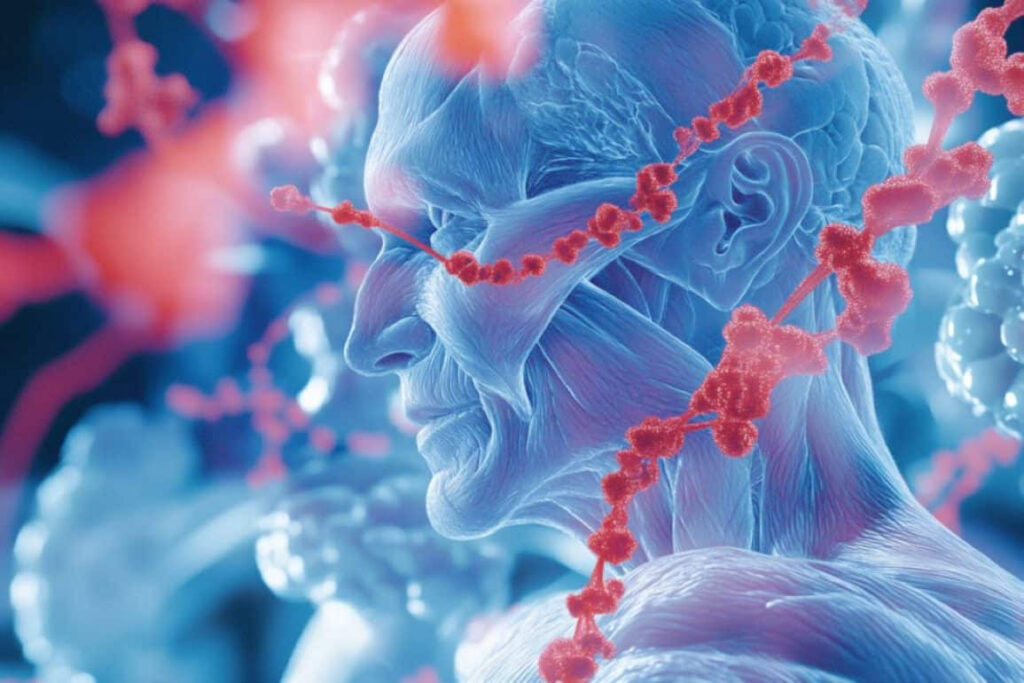
Aging is not a unidirectional, unstoppable process. Epigenetic aging can be reversed. Epigenetics is revolutionizing preventive and integrative medicine and endurance sports performance.
Life is unpredictable…
The complex human system is unpredictable…
Biological age is reversible.
The rate of aging is your biological age relative to your chronological age — a measure of the pace your body has aged for each year you have been alive.
Your biological age reflects a combination of your genetics, accumulated lifestyle choices, and other environmental determinants such as demographics, diet, and exercise habits.
Aging is a progressive decline in physiological and cognitive function that contributes to reduced mobility and increased risk of disease and mortality, known as the Hallmarks of Aging.
Epigenetic aging is an insidious path to self-destruction. Numerous variables impact the biological aging process. The key is methylation (DNAm).
Epigenetics represents the study of changes in organisms caused by modifications to gene expression without alteration to the genetic code [DNA blueprint/sequence]. “Epi” is the Greek lexicon for “above.”
Epigenetic markers are positioned above your DNA sequence and impact gene expression/suppression based on lifestyle factors (methylation).
Your DNA blueprint is absolute and cannot be altered. Think of epigenetic markers as apostrophes sprinkled above the letters and words of a sentence [your DNA sequence].
Your DNA provides instructions for proteins to be produced inside the cells. Epigenetic markers impact [like a dimmer switch] how genes are read by cells.
Find below three key non-negotiable realms that influence biological aging
The focus of this post is fitness
→ Fitness
→ Immune System
→ Inflammation
FITNESS
The fact that our physical fitness declines with age is an understatement. Functional and performance loss is correlated with health. It can be measured directly via performance testing and indirectly via reduced organ function. The rate and extent of one’s fitness decline are variable.
Epigenetic aging refers to changes in the body’s DNA that reflect how quickly a person is aging at the molecular level. It is measured using epigenetic clocks, which analyze patterns of DNA methylation, a chemical modification that can affect gene activity.
Unlike chronological age, which simply counts the number of years lived, epigenetic aging presents a more accurate picture of how well the body’s cells and tissues function. This process is influenced by various factors, including lifestyle, and has become a powerful tool for studying aging.
This perspective highlights that while general physical activity, such as walking or doing household tasks, offers health benefits, structured exercise routines that are planned, repetitive, and goal-directed appear to have stronger effects on slowing epigenetic aging.
Physical fitness, especially high cardiorespiratory capacity, is also closely associated with slower epigenetic aging.
Epigenetics represents all inputs from life and what is possible.
It identifies propensities that can be modified, whether they pertain to sleep, stress, nutrition, supplementation, athletic performance, environmental health, hormones, biological age, neurotransmitters, the endocannabinoid and glutathione systems, nitric oxide production, mitochondrial biogenesis, neuroepigenetics, heart rate variability, cognition, and a host of other testing categories.
Proper gene expression is a big deal. The mayhem begins when a gene is expressed when it should be suppressed or vice versa, and its impact reaches far beyond a subpar training day.
This invites inflammation, chronic and degenerative diseases, accelerated biological aging, senescence, and a plethora of other undesirable outcomes, no matter the endurance athlete’s level of fitness.
Epigenetics represents the study of changes in organisms caused by modifications to gene expression, absent any alteration to the genetic code [DNA blueprint/sequence]. “Epi” is the Greek lexicon for “above.”
Epigenetic markers are positioned above your DNA sequence and impact gene expression/suppression based on lifestyle factors [methylation].
Your DNA blueprint is absolute and cannot be altered. Think of epigenetic markers as apostrophes sprinkled above the letters and words of a sentence [your DNA sequence].
Your DNA provides instructions for proteins to be produced inside the cells. Epigenetic markers impact [like a dimmer switch] how genes are read by cells.
DNA methylation (DNAm) deciphers both fitness biomarkers and age-related biomarkers induced by modifications to one’s fitness protocols.
Physiological data is incorporated into algorithms to determine individual DNAm biomarker differences in various fitness parameters. The integration of fitness measurements into epigenetic clocks increases the measurable effects of lifestyle and environment.
TruDiagnostic and Harvard University developed the OMICm Age algorithm to determine your age via your fitness functionality. Find below a few key variables:

→ Grip Strength
Maximum handgrip strength (Gripmax | DNAm Grip Strength) measures the force used to calculate age-associated decline in muscle strength. Evidence supports that grip strength is the likely predictor of all-cause and disease-specific mortality, future function, bone density, cognition, fractures, and depression associated with hospitalization.
Grip strength is associated with enhanced verbal short-term memory and decelerated aging. Traditional grip strength measurements are correlated with upper limb function, malnutrition, cognitive impairment, sleep quality, diabetes, and quality of life.
Traditional grip strength measurements correlate with overall strength, upper limb function, bone density, fractures, falls, malnutrition, cognitive decline, depression, sleep disorders, diabetes, and quality of life.
→ FEV1
Forced Expiratory Volume (FEV1) measures lung function by determining the amount of forced air from the lungs in one-second intervals. FEV1 is a robust predictor of mortality and comorbidities.
Lung function parameters are included in spirometry testing to diagnose chronic obstructive pulmonary disease (COPD), asthma, restrictive lung disease, and other disorders that impact lung function.
→ Gait Speed
Walking speed is measured in meters per second. Gait speed fluctuates based on fitness level, effort, and terrain. Your muscle strength (especially lower body) and hip flexors affect gait speed.
Gait speed in both men and women remains consistent until age 60. It significantly decreases by 1.2 minutes per .62 miles.
Slow gait speed is a critical indicator of declining health, increased risk of falls, functional dependence, cognitive decline, and mortality.
A slow walking pace can signal frailty, malnutrition, and a higher propensity for cardiovascular disease, significantly affecting independence. Lower gait speed is associated with impairment of daily activities, physical inactivity, and cardiovascular disease.
Slower gait speed often stems from muscle weakness, chronic pain, or neurological issues.
Faster gait speeds indicate greater mobility to mitigate the onset of disability, disease, and loss of autonomy. A fast gait speed is a strong indicator of longevity, cardiovascular fitness, and overall health, often referred to as the “sixth vital sign“.
Increased walking pace improves functional capacity, strengthens muscles and joints, and boosts metabolism. It is strongly associated with a lower risk of chronic diseases, improved cognitive health, reduced fall risk, and better balance.
→ VO2 max
Maximal oxygen uptake is a measure of cardiovascular health and aerobic endurance. It measures in milliliters the volume of oxygen the body processes during incremental exercise per kilogram of body weight.
DNAmVO2Max can be measured via blood analysis to provide the epigenetic calculation of one’s physical status. Highly fit individuals are classified by their VO2 max scores and are correlated with lower BMI (body mass index) and younger OMICm FitAge.
The impact of exercise on health, performance, and longevity cannot be understated. The beauty of endurance sports is that they teach awareness. This awareness delineates effort from struggle and reality from perception – even though perception drives reality.
Being fit but unhealthy is a recurring theme on the trails and in life – whether you are a weekend enthusiast or a podium finisher.
Habits determine lifestyle. One of its most insidious aspects is its ability to dull your awareness and discipline. Optimal health, performance, and longevity mandate an integrative approach.
Exercise protects cellular integrity by mitigating or stifling epigenetic aging. Exercise is considered stress; however, there is a fine line delineating eustress and distress in the spirit of hormesis
Exertion has an internal geroprotective system that influences mitochondrial biogenesis, oxidative stress, histone modification, and related epigenetic methylation processes.
Cardiorespiratory Fitness | CRF
CRF, which is interchangeable with cardiorespiratory endurance, cardiovascular fitness, aerobic capacity, and aerobic fitness, among others, refers to the capacity of the body’s circulatory and respiratory systems to supply oxygen to skeletal muscle mitochondria for energy production during physical activity.
CRF is the ability to perform large muscle, dynamic exercise for sustained periods. This ability depends on the functional state of the pulmonary, cardiovascular, and skeletal muscle systems. The capacity of the heart, lungs, and blood vessels to deliver oxygen-rich blood to muscles and remove waste products during prolonged exertion.
A low level of cardiorespiratory endurance is associated with an elevated risk of premature death from all causes. High cardiorespiratory endurance is strongly protective against coronary artery disease, which is the leading cause of death in the United States.
CRF has a profound effect on mitochondrial health. Mitochondria propel energy and produce reactive oxygen species (ROS) that accelerate aging. Exercise represents the catalyst for enhanced mitochondrial biogenesis.

Epigenetic aging biomarkers, or epigenetic clocks, are DNA methylation patterns that reflect biological age and are significantly influenced by endurance sports performance and physical fitness.
Epigenetic aging biomarkers, or “epigenetic clocks,” are DNA methylation patterns that reflect biological age and are significantly influenced by endurance sports performance and physical fitness.
Epigenetic Aging and Performance
→ Cardiorespiratory Fitness (VO₂ max);
→ Long-Term Endurance Effects;
→ Training Intervention
Regular physical activity offers profound health benefits:
→ Lower Chronic Disease Risk;
→ Improved Mental Health;
→ Better Sleep;
→ Cellular Integrity;
→ Stronger Bones;
→ Enhanced Skeletal Muscle;
→ Higher Energy Levels;
→ Improved Cognition;
→ Enhanced Body Composition;
→ Strengthened Immune System;
→ Weight Management
The key is to remember that fitness is an inside-out proposition.
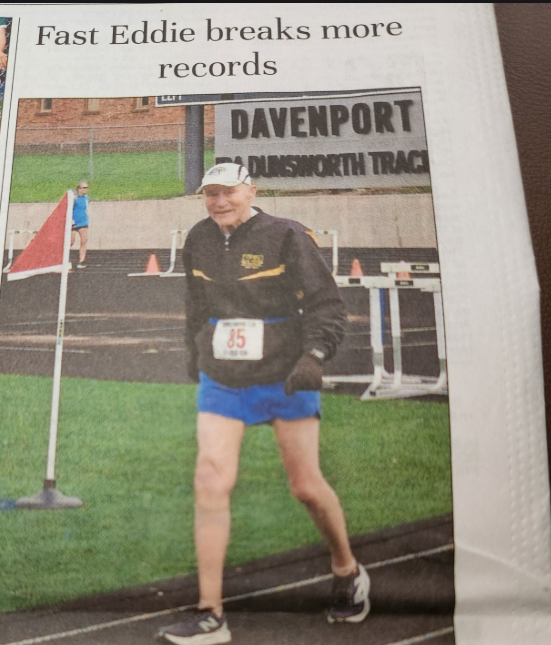
Just ask 85-year-old “Fast Eddie.”
Growth has no endpoint…
We have the technology to eliminate guesswork, decode superhuman, and propel your limitless potential. Challenge yourself today to boldly manifest the keys to your mansion of unparalleled health, performance, and longevity. The last thing you want is to be fit but unhealthy.
A limitless life is a choice…
Find more information at Performance Medicine™.
Schedule a FREE CONSULTATION via the blue widget, our contact form, or 401.207.4215.